Home · What to expect
What to expect at your MRI scan.
An MRI is painless and uses a strong magnet and radio waves rather than X-rays. Knowing what will happen makes it easier. Here is everything, step by step.
Before your scan
Tell us about metal
Pacemakers, defibrillators, cochlear implants, nerve stimulators, some clips and metal fragments (for example in the eyes) can be unsafe. You'll complete a safety questionnaire, and your GP checks it before booking.
Let us know
If you are or might be pregnant, tell us. MRI is usually avoided in early pregnancy unless it is clearly needed.
Simple preparation
Wear clothes without metal, and leave jewellery at home. For some abdominal scans you'll be asked not to eat for a few hours. Bring any previous scan reports.
During the scan
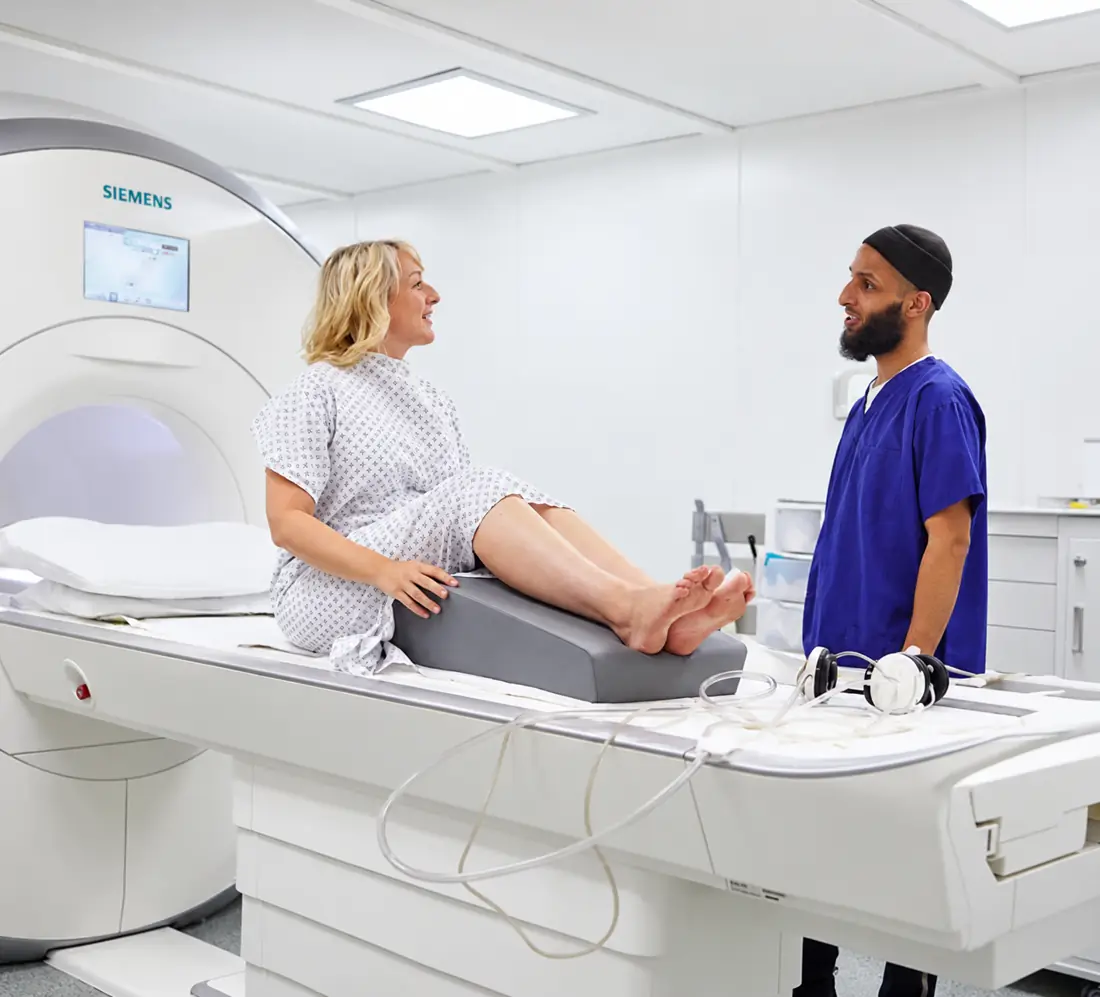
- You lie still on a padded table that moves into the scanner. Usually only the part being scanned needs to be in the middle.
- It is noisy. You'll be given ear protection, often with music.
- You can talk to the radiographer throughout, and you'll hold a call button.
- Most scans take 20 to 45 minutes, depending on the area. Whole-body scans take longer.
- Some scans use a contrast injection (gadolinium) to show detail more clearly. If yours does, you'll be told beforehand and your kidney function may be checked.
If you are claustrophobic
Tell us when you book. Many people who are anxious about MRI manage well with a little planning.
For knee, ankle and foot scans you usually go in feet first, with your head outside the scanner. For other areas, the radiographer can explain each step, keep talking to you, and stop if you need to. Some people find an eye mask or closing their eyes before going in helps. If you are very worried, talk it through with your GP before the day.

After the scan
- You can go straight home and carry on as normal, including driving.
- A consultant radiologist reports your scan, typically within 48 hours.
- Your GP explains the result and arranges any next steps, NHS or private.
- Your NHS GP can have a copy with your permission.
Other scans and guides
Brain and head
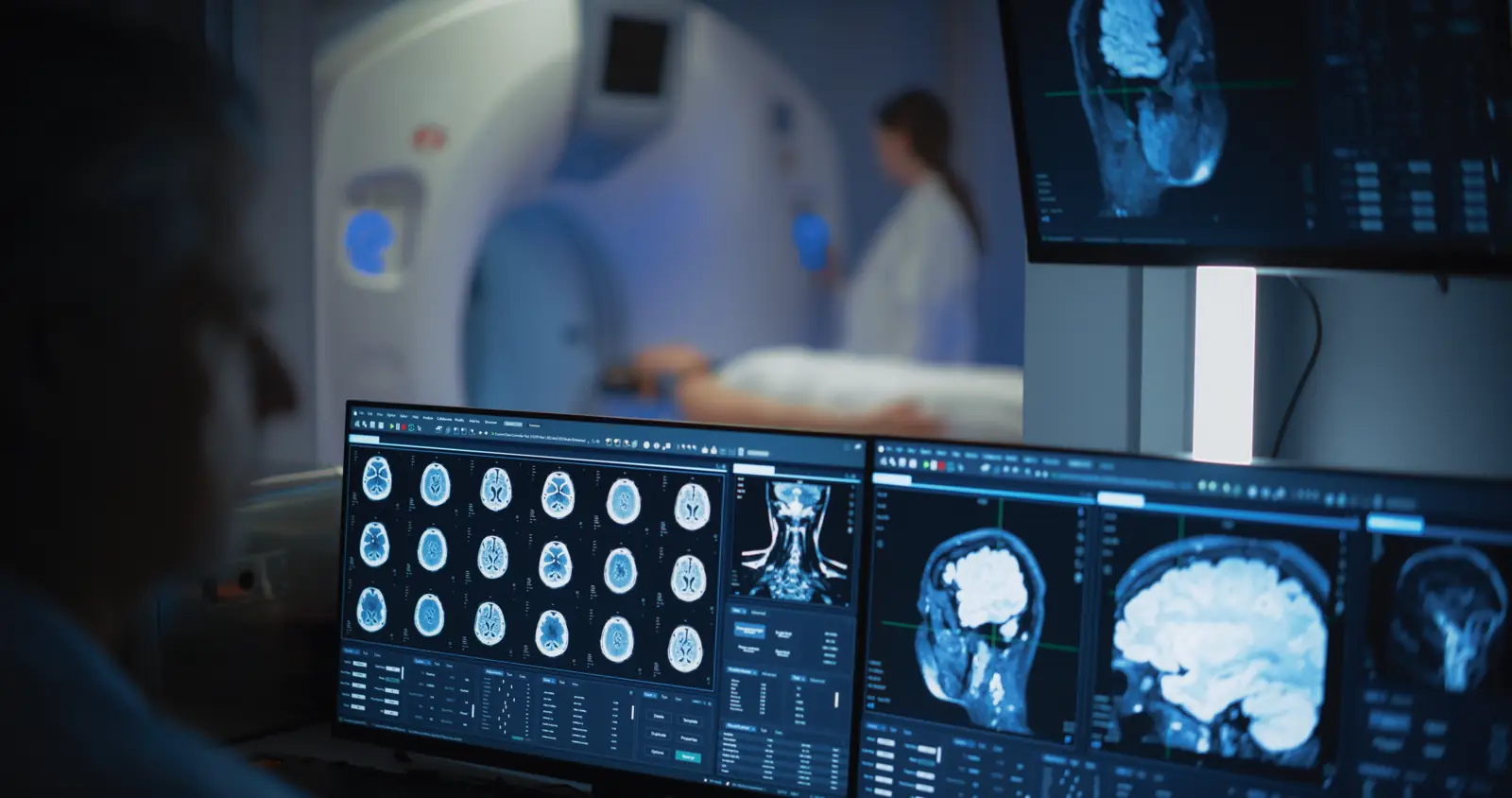
Persistent headaches, dizziness, changes in sensation, or reassurance after a GP assessment.
Find out more →
Spine
Neck and back pain, sciatica, trapped nerves and disc problems.
Find out more →
Knee, shoulder and joints
Sports and work injuries, ligament, cartilage and tendon problems.
Find out more →
Abdomen and pelvis
Ongoing symptoms, liver and gallbladder questions, and prostate MRI.
Find out more →
Whole-body MRI
A head-to-pelvis health scan, with an honest explanation of what it can and cannot tell you.
Find out more →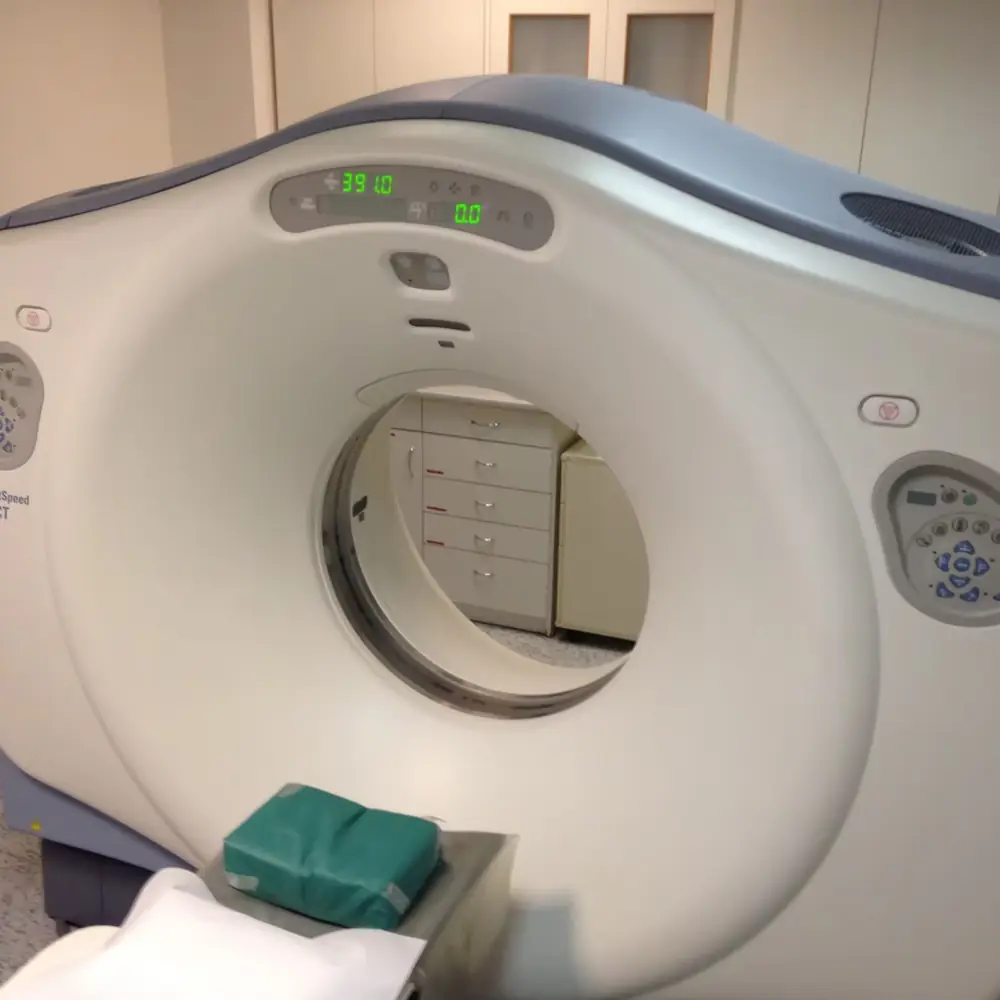
CT scan
Fast, detailed scans of the chest, abdomen and bones, including heart calcium scoring and low-dose lung CT.
Find out more →Ready to get answers?
Book online, call 01772 282189, or message us on WhatsApp.